Mold Landlord Responsibilities and Tenant Rights
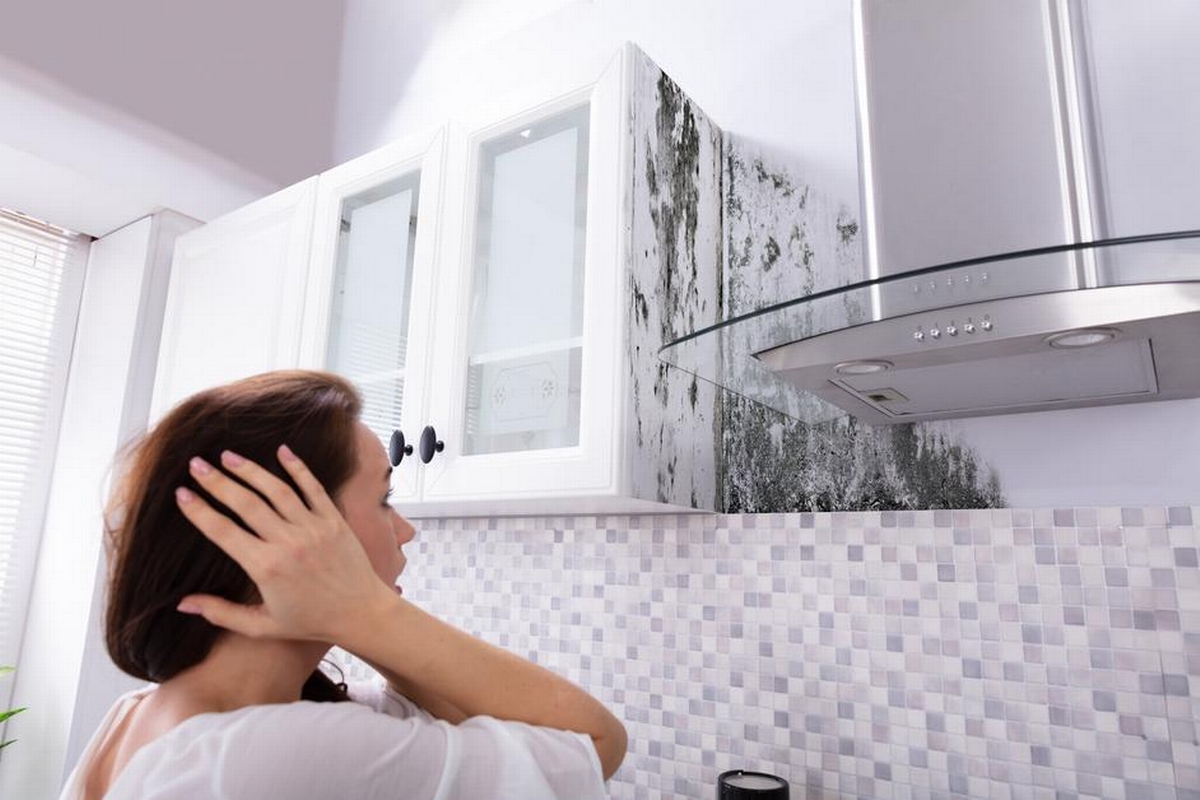
Mold is more than just an unsightly blemish on your walls or ceiling; it is a potential health hazard that demands attention. In homes, especially in regions with high humidity like Atlanta, GA, mold can be a persistent issue, complicating the relationship between landlords and tenants. Understanding mold landlord responsibilities and tenant rights is critical for ensuring healthy living conditions. It is particularly important for both parties to know their roles and responsibilities so that mold issues can be managed efficiently before they lead to more significant problems. One way landlords can address mold concerns is by partnering with a reputable restoration company in Atlanta and its nearby areas that can provide timely and professional intervention.
Understanding Mold: A Common Household Issue
Mold is a type of fungus that grows best in damp and humid conditions. Often appearing in areas with poor ventilation, it can spread quickly, potentially damaging property and causing health issues. Areas such as basements, bathrooms, and kitchens are particularly vulnerable. For landlords, mold growth presents a dual challenge: adhering to legal standards and minimizing damage to their property investments. For tenants, having a mold-free living environment is not just a preference but a right. So, how should these issues be navigated?
Landlord Responsibilities for Mold
Landlords have a responsibility to maintain their rental properties in good condition. This includes addressing mold problems swiftly to ensure that they do not pose a health risk to tenants. Mold landlord responsibilities start with proper property maintenance, an essential part of which is regular inspections. Ensuring that plumbing systems are intact, roofs are leak-free, and HVAC systems are operational can prevent mold growth. When mold is discovered, landlords must act promptly to resolve the issue. This is not just a legal obligation but a safeguard against potential liabilities that could arise from tenant health problems attributed to mold exposure.
Further, landlords should establish clear communication channels with tenants. Open communication ensures that any mold issue reported by tenants is taken seriously and dealt with promptly. Regular maintenance checks should be backed by written records, documenting any complaints and actions taken. In the event that mold becomes a persistent issue, engaging with experts for mold removal and remediation in Atlanta can ensure effective and permanent solutions.
Tenant Rights Regarding Mold
Tenants, on the other hand, have the right to a livable rental property and trusted rental property management in Austin or Boston or wherever they might be. It should be free of safety hazards like mold. If mold appears, tenants should immediately notify their landlord. It is advisable to do this in writing, clearly describing the mold problem and any possible causes they have observed. This documentation can be crucial if disputes arise. Tenants should also understand that while the landlord is generally responsible for addressing mold issues, they too have obligations such as notifying landlords promptly and maintaining clean living environments to prevent mold growth.
Navigating Legalities and Mitigating Risks
In Atlanta, GA, the legal standards for mold remediation may not be explicitly defined in every lease agreement. Generally, a landlord’s duty is tied to providing a safe and habitable living space, which can implicitly include managing mold. Understanding the specific local laws and regulations can assist both landlords and tenants in navigating their responsibilities. Furthermore, insurance policies can offer coverage for mold damage in some cases, though it is essential to verify such details and ensure that regular property maintenance and cleanliness are consistently upheld.
Preventive Measures for Mold Management
Prevention is always better than cure. For landlords, incorporating preventive measures can be an effective strategy to mitigate mold problems. This may include:
- Regular property inspections and maintenance checks.
- Installing and maintaining effective ventilation systems to manage humidity levels.
- Responding swiftly to reports of leaks or water damage.
- Providing tenants with guidelines on managing humidity within their spaces.
On the tenants’ side, maintaining cleanliness and proper ventilation, especially in moisture-prone areas, can prevent mold growth. Tenants should report any signs of water leakage immediately.
Why Expertise Matters in Mold Remediation
The process of mold removal often requires professional intervention. Companies specializing in mold removal and remediation in Atlanta bring expertise and equipment crucial for handling severe mold issues. Professional services typically begin with a thorough assessment of the situation, followed by an effective mold removal strategy, often involving the use of specialized equipment and techniques to ensure complete removal and to prevent future occurrences.
A trusted restoration company can also perform necessary follow-up checks to verify that the mold has been effectively managed. Both landlords and tenants can benefit from such professional interventions as they not only remove the immediate threat but also provide insights into preventing future issues.
Addressing Water Damage: The Connection to Mold
Water damage is often a precursor to mold growth. Whether caused by plumbing leaks, roof leaks, or flooding, water damage provides the ideal conditions for mold to thrive. Addressing water damage promptly is an essential part of managing mold risks. Engaging a service that offers storm damage restoration in Atlanta can be a proactive step toward tackling mold-related issues due to water intrusion.
Encouraging Transparency and Cooperation
For successful mold management, fostering a cooperative relationship between landlords and tenants is vital. By understanding their respective responsibilities and rights, both parties can work together to address mold issues before they escalate. Encouraging transparency and cooperation ensures that mold is identified, reported, and managed effectively, benefiting all involved.
Taking the Next Steps
Mold management requires a proactive approach. For landlords, understanding mold landlord responsibilities is critical to providing safe living environments and avoiding potential liabilities. For tenants, knowing your rights means being equipped to insist on necessary improvements in your living conditions. If you are dealing with mold problems and need expert assistance, consider reaching out to Fast-Paced Restoration’s skilled mold removal and remediation team. Their expertise and dedication ensure that your mold problems are handled efficiently and effectively.
By choosing Fast-Paced Restoration, you take the first step in ensuring that your property is not only restored but fortified against future mold threats. A safe and healthy living or working space is achievable with the right knowledge and professional support. Trust the experts to guide you through every step of the process, from water damage restoration to comprehensive mold solutions, ensuring peace of mind for both landlords and tenants alike.