Does Air Purifier Help With Mold in Homes
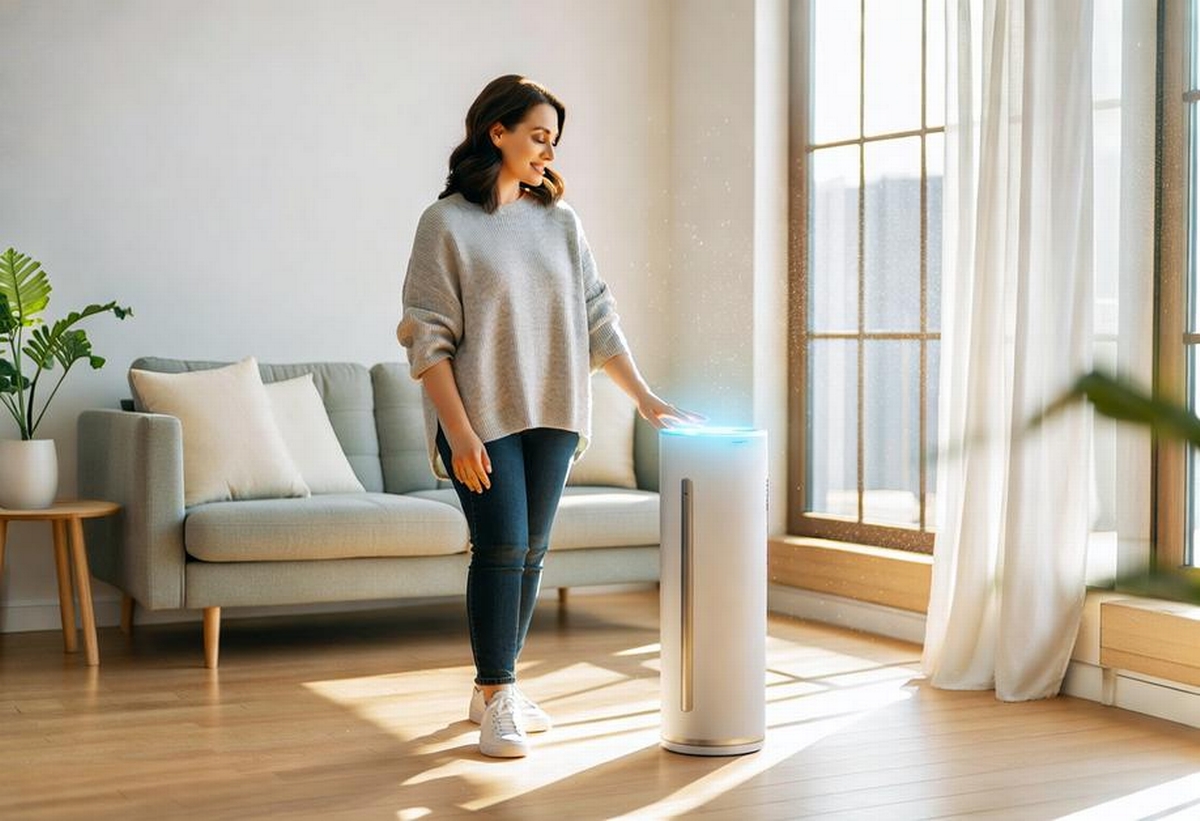
Indoor air quality is a pressing concern for many homeowners, and mold is a common culprit that can silently compromise the environment. Mold not only causes unsightly stains and musty odors but also poses health risks, especially to people with allergies or asthma. If you find yourself wondering, "Does an air purifier help with mold?", you're not alone. The answer is particularly relevant to individuals and families seeking to maintain a clean, healthy living space. In cities like Atlanta, where humidity can be high, the problem of mold is exacerbated, and the need for effective solutions becomes even more pressing. As a damage restoration company in Atlanta and its nearby communities, understanding the role of air purifiers in combating mold issues is essential for homeowners seeking solutions.
Before delving into whether air purifiers can effectively combat mold, it's important to understand the nature of mold itself. Mold spores are ubiquitous in nature; they thrive in damp, warm conditions, turning basements, bathrooms, and attics into potential breeding grounds. They can travel through the air, attaching themselves to various surfaces within a home. Therefore, addressing the mold problem often requires a multi-faceted approach. This blog post will explore the mechanics of air purifiers, how they work against mold, and what limitations they may have. Additionally, it will provide insights into how they can be integrated into broader mold management solutions.
Understanding Mold and Its Impact
Mold is a type of fungus that flourishes in humid environments. It can propagate rapidly by releasing spores into the air, which can then be inhaled by residents of the home. These spores can trigger allergic reactions, skin irritation, and respiratory problems. Therefore, controlling mold growth is crucial for maintaining a healthy indoor environment. While mold can be visually inspected and sometimes detected by its distinctive smell, mold spores are invisible to the naked eye, making them challenging to keep under control.
Discovering mold in your home can be distressing, but you're not helpless against it. Effective mold management involves controlling moisture levels, improving ventilation, and utilizing technology that targets airborne spores. Enter air purifiers, which are designed to improve indoor air quality by filtering out undesirable particles, including mold spores, pollen, dust mites, and more. By enhancing air quality, air purifiers can contribute to reducing the health risks associated with mold.
Do Air Purifiers Effectively Combat Mold Spores?
When it comes to answering the question, "Does an air purifier help with mold?", the answer lies in the type of air purifier used and its specifications. High-Efficiency Particulate Air (HEPA) filters are particularly effective at trapping particles as small as 0.3 microns, which include most mold spores. These filters work by forcing air through a fine mesh that captures harmful particles. For an air purifier to be effective against mold, it needs to be equipped with a true HEPA filter and should be appropriately sized for the space it is purifying.
However, air purifiers do not tackle the root cause of mold growth: moisture. While they can reduce the concentration of spores in the air, air purifiers do not eliminate mold colonies or treat moisture issues. For comprehensive mold control, air purification should be part of a larger strategy that addresses moisture. This may include using dehumidifiers, fixing leaks, and ensuring proper ventilation.
Integrating Air Purifiers Into Mold Management
An air purifier can be a valuable tool in minimizing the presence of mold spores, especially when combined with other mold management strategies. Here are some steps homeowners can consider:
- Identify Moisture Sources: Address leaks, condensation, and dampness by identifying and eliminating these sources, helping to prevent mold from establishing. It's essential to ensure that areas like bathrooms and basements are well-ventilated.
- Use a Suitable Air Purifier: Invest in a high-quality air purifier equipped with a HEPA filter. Consider additional features like activated carbon filters, which can help remove odors that mold produces.
- Regular HVAC Maintenance: Clean and maintain HVAC systems to prevent mold from growing and circulating spores throughout your home.
- Professional Mold Removal: In severe cases, professional services may be required. Companies specializing in mold removal and remediation in Atlanta, such as Fast-Paced Restoration, can provide expert solutions to ensure thorough mold remediation.
While air purifiers can be beneficial in handling airborne mold spores, their effectiveness is enhanced when used in conjunction with other methods to control and prevent mold growth.
Potential Limitations of Air Purifiers
Although air purifiers with HEPA filters are effective against airborne mold spores, it's important to set realistic expectations. Air purifiers cannot remove mold spores that have settled on surfaces, nor can they address the underlying moisture problem. They should not be relied upon as the sole solution for mold problems.
Furthermore, not all air purifiers are created equal. Ionizers, which are marketed as air purifiers, do not remove mold spores effectively since they tend to settle particles on surfaces rather than capture them in a filter. Therefore, selecting the right type of purifier is critical to achieving the desired results.
Benefits of Using Air Purifiers for General Home Maintenance
While our focus is on mold control, the benefits of air purifiers go beyond that. These devices can improve overall indoor air quality, reducing allergens, tobacco smoke, pet dander, and even some volatile organic compounds (VOCs). Investing in a robust air purification system means a cleaner, healthier home environment year-round.
Incorporating air purifiers into your home's environmental management plan is not only beneficial in combating mold but also aids in maintaining general health and well-being for all occupants, particularly in cities like Atlanta, GA, where humidity levels can fluctuate significantly.
Strengthening Your Mold Defense
To successfully address mold challenges at home, it's crucial to adopt a comprehensive approach to air quality. Aside from using air purifiers, regular cleaning, moisture control, and timely professional interventions are key strategies to ensure a mold-free living space.
If mold persists despite personal efforts, consulting professional services may become necessary. Fast-Paced Restoration offers specialized services across the region, whether you require mold removal and remediation in Roswell or water damage restoration in Atlanta. Investing in professional expertise ensures that mold is effectively addressed at its source, offering peace of mind that the environment will remain safe and clean for all occupants.
While air purifiers hold promise as part of a long-term strategy to manage mold spores and enhance indoor air quality, they are not standalone solutions. A comprehensive mold management plan that includes professional intervention when necessary is essential to maintaining a healthy and safe home environment. Partnering with experts like Fast-Paced Restoration ensures that you have support when you need it most, making your home a healthier, more pleasant place to live. Reach out today to learn more about how you can protect your home from mold and its associated hazards, ensuring longevity and comfort for your family.