Common Remedies for Mold and When to Call the Experts
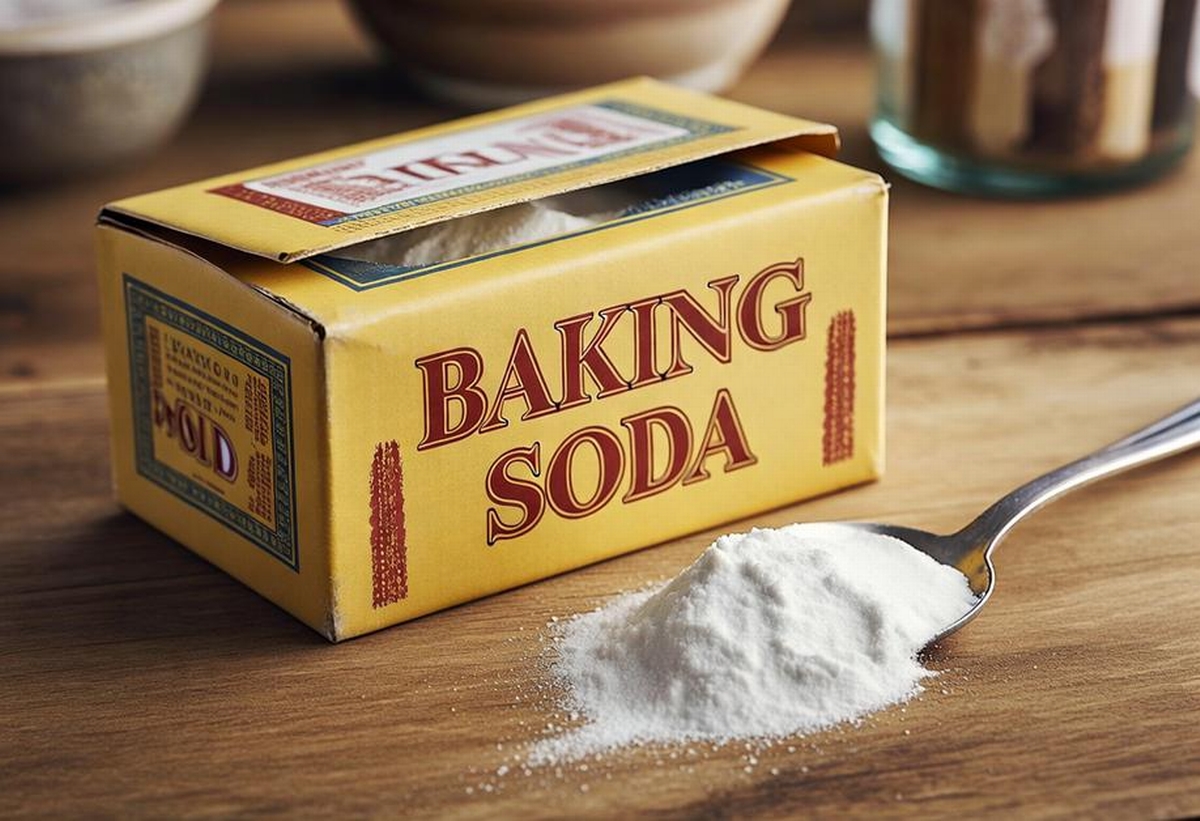
Every homeowner's nemesis: mold. It's unsightly, unpleasant, and in many cases, unhealthy. Among the myriad solutions floating around the internet, baking soda stands out as a natural remedy touted for its effectiveness against mold. But just how helpful is it, really? Are there times when it's simply not up to the task? Let's dive into the complex relationship between baking soda and mold, and explore when it might be time to seek professional help, such as emergency restoration services in Atlanta and its neighboring areas.
Mold is a common problem, especially in humid climates or in homes with poor ventilation. It not only affects the aesthetic appeal of a space but can also pose health risks. This is where baking soda comes in; it's often praised for its ability to combat mold due to its natural, nontoxic nature. However, its effectiveness can vary greatly depending on a range of factors. This article will explore when baking soda is a good solution and when it’s best left to the professionals. You'll also learn how services like mold removal in Atlanta, GA, can provide comprehensive solutions where baking soda falls short.
Understanding Mold and Its Dangers
Recognizing and understanding the enemy is the first step in effective mold management. Mold is a type of fungus that thrives in damp, humid environments. It often appears as black, green, or white splotches and can grow on almost any surface, including walls, ceilings, and floors. Its presence is more than just an eyesore; certain types of mold, like black mold, can be toxic and lead to respiratory issues, allergic reactions, and other health problems.
Baking soda and mold share a curious chemistry. Mold thrives on moisture, while baking soda helps to absorb moisture and create an inhospitable environment for mold spores. However, it's important to note that baking soda cannot penetrate surfaces to eliminate mold that has infiltrated walls or other porous materials. This is a critical limitation that every homeowner should understand.
Baking Soda As a Mold Treatment: When It Works
Baking soda is well-known for its household uses, from removing odors to whitening teeth. But how does it fare against mold?
- Surface-Level Treatment: Baking soda is effective for cleaning and removing light mold growth on non-porous surfaces. Mixing a tablespoon of baking soda with water creates a solution that can be sprayed on moldy areas before scrubbing. This simple treatment can manage minor outbreaks and prevent mold spores from taking root.
- Moisture Absorption: Mold thrives in moisture. Sprinkling baking soda directly on areas prone to dampness can absorb some of the moisture, thereby reducing mold's preferred conditions.
- Deodorizer: Baking soda also reduces the musty odors associated with mold, improving the air quality in your living space.
For small spots of surface mold, baking soda may do the trick. However, its role is more preventive than curative. For lasting results, it's essential to find and fix moisture sources rather than relying solely on superficial treatments.
Limitations of Baking Soda: When It Does Not Work
Despite its benefits, baking soda is not a cure-all for mold infestations, and it has several limitations:
- Deep Seated Mold: Baking soda is ineffective against mold that penetrates porous materials like drywall and wood. In such cases, professional evaluation and treatments are advised because the structural materials might be compromised beyond surface treatment.
- Extensive Infestation: In scenarios where mold growth is extensive or has spread across large areas, baking soda falls short. Professional mold removal and remediation in Atlanta involves more advanced techniques, such as moisture meter readings, infrared scanning, and specialized chemical treatments that can tackle severe infestations more effectively.
- Health Risks: Given that certain molds are toxic, such as black mold, relying solely on baking soda can be dangerous. Professional intervention ensures proper mold identification and safe removal, reducing health risks associated with exposure.
Alternatives to Baking Soda in Mold Remediation
When baking soda doesn't suffice, it’s crucial to consider other solutions to tackle harmful mold invasions. Industrial-grade cleaners and fungicides may be necessary for severe cases. Moreover, addressing the underlying causes of mold growth, such as poor ventilation and leaks, is essential.
Beyond DIY attempts, professional mold removal services can offer comprehensive strategies, such as identifying moisture sources, using HEPA filters, and sealing mold-prone areas to prevent recurrence. These services are particularly vital for cases of water damage restoration in Atlanta and beyond, where mold growth is an unfortunate side effect of flooding or leaks.
Prevention: The Best Cure for Mold
While baking soda can aid in minor cleanups, prevention remains the best strategy in mold management. Here are some preventive measures to consider:
- Control humidity levels indoors by using dehumidifiers, especially in basements or poorly ventilated areas.
- Ensure that your home's ventilation system is functioning correctly, especially in rooms like the kitchen and bathroom where moisture accumulates more frequently.
- Regularly inspect and maintain areas susceptible to leaks, such as roofs, gutters, and plumbing fixtures, to prevent moisture accumulation.
Taking these steps can significantly reduce the likelihood of facing a mold problem in the first place, reducing the need for remedial interventions.
Practical Scenarios: Baking Soda vs. Professional Help
Picture this scenario: you've just discovered a patch of mold on your bathroom ceiling. Armed with baking soda and determination, you start cleaning. The surface mold seems to wipe away, but a few weeks later, it's back. So what happened? It’s likely that while the baking soda managed the visible mold, it did not address the real issue - a leak in the roof causing moisture buildup. Here, professional help is invaluable, as they can pinpoint and repair the leak, offer a permanent solution, and handle mold remediation safely and effectively.
In another case, imagine finding mold under your carpet after a heavy rainstorm. You sprinkle some baking soda, thinking it will handle the problem. However, water damaged the carpet and perhaps the subfloor, inviting mold to thrive below the surface out of sight. A call to emergency restoration services can reveal the extent of water damage, and technicians can perform water damage restoration to ensure your household’s safety.
Make Use of Professional Services
For those facing persistent or widespread mold problems, it is crucial to consider comprehensive services like mold removal and remediation in Tucker. Fast-Paced Restoration offers targeted approaches tailored to handle even the most stubborn mold issues. Opting for professional help can save you time, money, and health complications in the long run, offering peace of mind that the issue is thoroughly addressed.
While baking soda offers a natural and non-toxic option for managing minor mold issues, it is not a complete solution. Understanding when it helps and when professional intervention is required is crucial in protecting your health and property. Fast-Paced Restoration provides top-notch mold removal and remediation services, ensuring that even the most persistent mold issues are handled with expertise and care. Don't let mold take over your home; contact Fast-Paced Restoration today for a thorough assessment and peace of mind.