Black Mold in Air Conditioner Unit: 6 Signs and Solutions
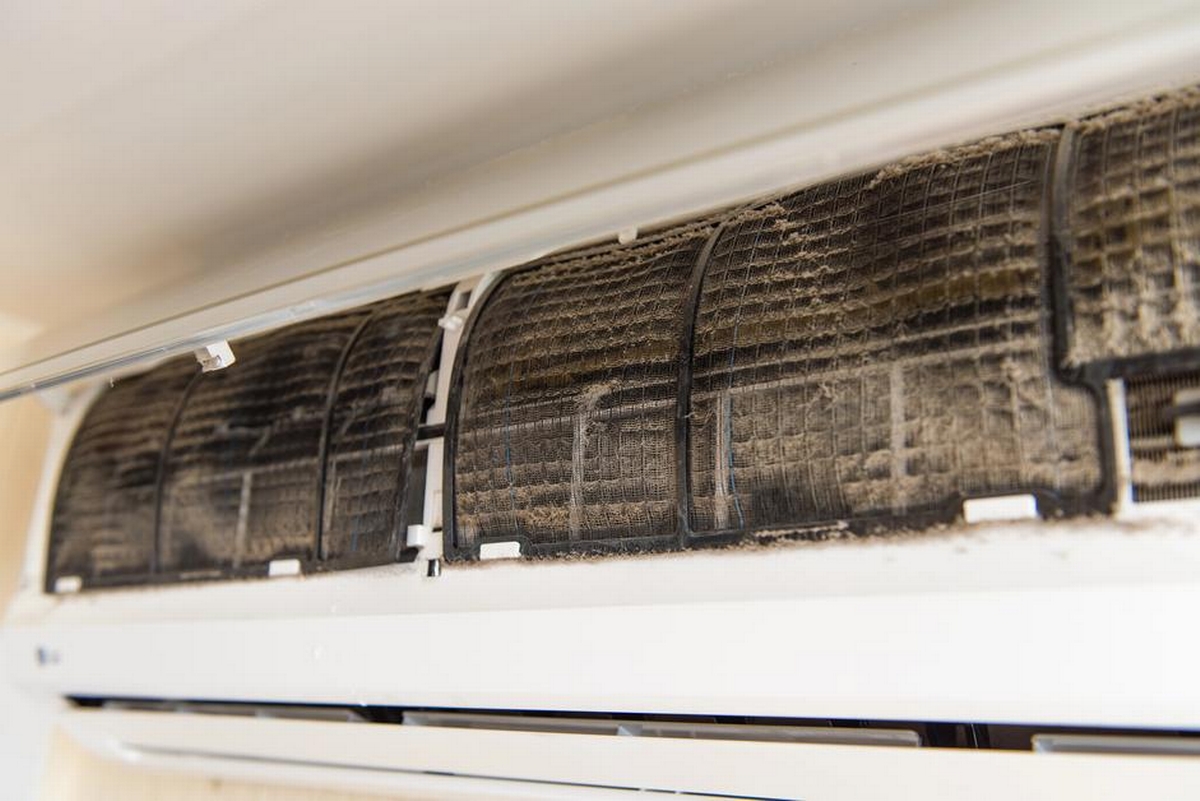
Have you ever turned on your air conditioner only to be greeted by an unpleasant, musty odor? It's possible you might be facing a silent yet potentially harmful invader—black mold in your air conditioner unit. Often undetected until it becomes a significant health concern, black mold can thrive in the moist environment within your AC unit. For homeowners, this is not just a nuisance but a health hazard that calls for immediate attention. Restoration contractors in Atlanta are well-equipped to handle such issues, ensuring the safety and wellbeing of your household. In this blog post, we’ll guide you through the warning signs of black mold in your air conditioner unit and offer solutions to help you maintain a healthy indoor environment.
Mold thrives in damp, humid conditions, which makes air conditioners, especially those in hot and moist climates, a perfect breeding ground. Given the health risks associated with mold exposure, such as respiratory issues, it's crucial to identify and address the problem swiftly. We'll explore six telltale signs of mold in your AC unit and the necessary steps to remediate it. Let's dive in, so you can breathe easy again.
Signs of Black Mold in Your Air Conditioner Unit
1. Musty Odor
The first sign many people notice is a persistent musty smell when the AC is running. This odor can linger in the air and cling to furniture, clothes, and curtains. Such a smell is typical of mold growth, as the spores release a distinct earthy scent. If you encounter this, it may be time to inspect your AC for mold.
2. Visible Mold
Visible signs can sometimes be your first indication of black mold presence. Check the vents, air filters, and drain pans for any dark or black spots. Keep in mind that not all mold is easily visible; it can often grow in hidden areas within the unit, making detection challenging without professional expertise.
3. Increased Allergic Reactions
Black mold can exacerbate allergies, leading to increased symptoms such as sneezing, coughing, itchy eyes, and skin rashes when the AC is on. If you notice that turning on the air conditioner seems to trigger allergic reactions, mold may be the culprit.
4. Dampness or Water Leaks
Water leaks or consistent dampness around your unit provide the perfect environment for mold to thrive. Persistent leaks should be fixed immediately—not only to prevent mold but also to protect your AC's efficiency and lifespan.
5. Unexplained Illness
If you or your family members experience headaches, respiratory issues, or other unexplained health problems that improve when away from home, it could indicate the presence of mold. While it's essential to visit a healthcare professional for accurate diagnosis, checking your AC for mold is a prudent step.
6. Continuous Working AC
If your air conditioner seems to be continuously running or struggling to maintain the set temperature, it’s not just a potential mechanical issue. Mold within the system can obstruct airflow, making it work harder and less efficiently.
Solutions for Eliminating Black Mold
1. Professional Cleaning and Maintenance
Hiring professionals for routine maintenance and cleaning can significantly reduce the risk of mold formation. Experts in mold removal and remediation in Atlanta and its neighboring areas, use advanced tools and techniques to ensure your unit is mold-free and operates efficiently.
2. Regular Filter Replacement
Regularly replacing or cleaning air filters is a simple yet effective way to prevent mold build-up. Filters trap spores and other particulates, preventing them from circulating through the air.
3. Dehumidifiers
Install a dehumidifier to reduce moisture in the air, especially if your area experiences high humidity. By keeping the humidity level below 60%, you create an environment that is less conducive to mold growth.
4. Use a Mold-Reducing UV Light
UV lights within an HVAC system can kill mold spores, bacteria, and other allergens. It's a long-term solution that helps in maintaining air quality and preventing mold recurrence.
5. Proper Ventilation
Ensure that areas around the AC unit are well-ventilated. Proper ventilation helps to dissipate both moisture and musty odors, hindering mold's ability to grow.
6. Immediate Leak Repair
Water leaks should be addressed at once to prevent mold. Regularly inspect your AC system, looking particularly for signs of wear that could lead to leaks.
Prevention: The Best Solution
While responding to black mold in the air conditioner unit is crucial, prevention remains the best strategy. Regular inspections and maintenance can save you from costly repairs and health concerns. Engaging with restoration contractors who specialize in water damage restoration in Atlanta can provide peace of mind as they meticulously ensure that your unit and home remain mold-free.
Maintaining a clean and efficient AC unit not only keeps the air in your home fresh but also protects the health and comfort of everyone in the household. By staying alert to the signs and proactively maintaining your system, you prevent many of the issues associated with black mold.
To ensure you and your loved ones are safeguarded against the harmful effects of black mold, reach out to Fast-Paced Restoration for expert assistance. Our comprehensive solutions and dedicated professionals are here to address any concerns you may have. With locations across the Atlanta region, you can trust we've got you covered wherever you're located.