What Temperature Do Pipes Freeze in a House?
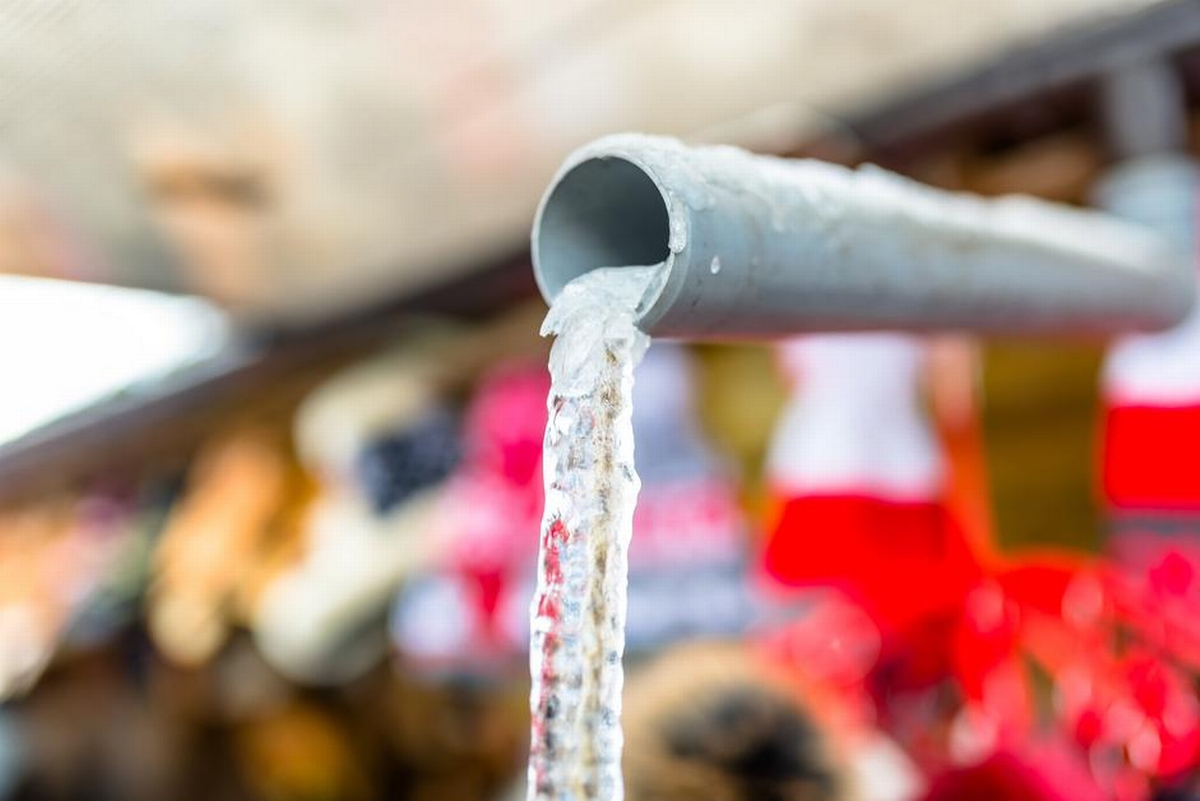
Picture this: It's a crisp winter morning in Atlanta, GA, and as you wake up and head to the bathroom, you turn on the faucet only to discover no water comes out. You follow the pipes down to the basement and find that the pipes have frozen—an issue many homeowners dread, especially during the chilling winter months. Understanding what temperature do pipes freeze in a house is crucial to taking preventative measures and avoiding costly damages. As Fast-Paced Restoration specializes in emergency restoration services in Atlanta and its neighboring areas, we know firsthand how crucial it is to safeguard your home against winter's icy grip.
What exactly should homeowners be aware of when it comes to frozen pipes, and how can you mitigate these risks? This blog post uncovers essential tips and tricks that can help you winter-proof your home. Whether you've encountered this issue before or you're a new homeowner gearing up for your first winter, understanding when and why pipes freeze will help you protect your property effectively.
Ideal Conditions and Potential Risks
At What Temperature Do Pipes Freeze?
So, at what temperature do pipes freeze in a house? This typically happens when the ambient temperature hits 32 degrees Fahrenheit (0 degrees Celsius) or lower. However, it's worth noting that factors like poor insulation, pipe location, and severity of cold snaps can lead to freezing even when temperatures are slightly higher. Outdoor pipes, pipes in unheated or drafty areas of the house, such as garages and attics, and pipes situated along exterior walls are particularly susceptible.
Potential Risks of Not Addressing Frozen Pipes
Failing to address the root causes of frozen pipes can result in catastrophic damage. Bursting pipes can lead to water leaks, causing structural damage to walls, floors, and ceilings. Such damages can quickly escalate into requiring water damage restoration to fix what could have been preventable problems. Timely action can safeguard your property from these potential hazards.
Practical Solutions to Prevent Frozen Pipes
Insulation is Key
One of the most effective ways to prevent pipes from freezing is proper insulation. Start with pipe sleeves or heat tape for exposed pipes, especially those in colder or non-insulated areas like basements and attics. Insulating your walls and roof effectively also helps maintain a steady indoor temperature, reducing the chances of indoor pipes freezing.
Temperature Maintenance
Set thermostats to a consistent temperature both day and night during the cold months. Ensure the temperature inside your home doesn't dip below 55 degrees Fahrenheit, even if you're away. By keeping the indoor temperature steady, you reduce the risk of your pipes reaching freezing temperatures.
Let Faucets Drip
During particularly cold spells, allowing faucets fed by vulnerable pipes to drip slightly can relieve pressure and help prevent pipes from bursting. Running water, even a trickle, carries more heat than still water, making it harder for the pipes to freeze.
Seal Off Drafty Areas
Inspect your home for drafts, especially around windows and doors, and apply weather stripping or caulking to minimize cold air infiltration. A draft can make all the difference in whether your pipes freeze at 32 degrees Fahrenheit or manage to stay just warm enough to avoid freezing.
Automatic Shut-off Devices
Consider investing in automatic shut-off devices. These gadgets detect unusual water flow and can shut off the water supply, preventing extensive damage that might necessitate storm damage restoration services in Atlanta, GA.
Detecting Frozen Pipes
Warning Signs
A key sign of frozen pipes is a sudden decrease in water pressure or a complete stop in water flow. If this occurs, it's crucial to act fast to thaw the pipes before they burst, which can lead to costly water damage.
What To Do If You Suspect a Frozen Pipe
If you suspect a pipe has frozen, use space heaters, heat cables, or even a hair dryer to gently warm the pipe segments, starting from the faucet and working backward. Do not use open flames as they pose a fire risk.
Tackling a Frozen Pipe Problem
Why Timeliness is Crucial
Once pipes have frozen, quick action is essential to minimize damage. As pipes freeze, they expand, which can lead to cracks and bursting. Therefore, addressing the situation promptly can prevent expensive repairs. This is why regular monitoring and maintenance are key components of preventing larger issues like fire damage restoration or mold removal and remediation from becoming necessary.
When To Call a Professional
Sometimes, thawing pipes yourself is not advisable or safe. In such cases, professional services should be your next step. Involving experts like Fast-Paced Restoration can save you time and prevent further damage. They can quickly assess the situation and take immediate action, ensuring your home is safe and secure.
Why Choose Fast-Paced Restoration
When the winter cold strikes, having a reliable partner is invaluable. Fast-Paced Restoration offers a variety of essential services that cater to all your home protection needs. From water damage restoration to mold removal and remediation in Atlanta and beyond, we’re your go-to experts. Don't wait until it's too late—learn how we can help safeguard your home against winter's challenges.
Winter preparedness is essential for every homeowner. By understanding what temperature do pipes freeze in a house and taking the necessary precautions, you are one step closer to a worry-free winter. Remember, when pipes freeze, the risks associated are more than just a lack of water; the potential for damage is extensive. If you face any winter-related issues, we are just a call away. Let us be your first line of defense this winter.