Ceiling Damage From Water: What You Can Expect During Repairs
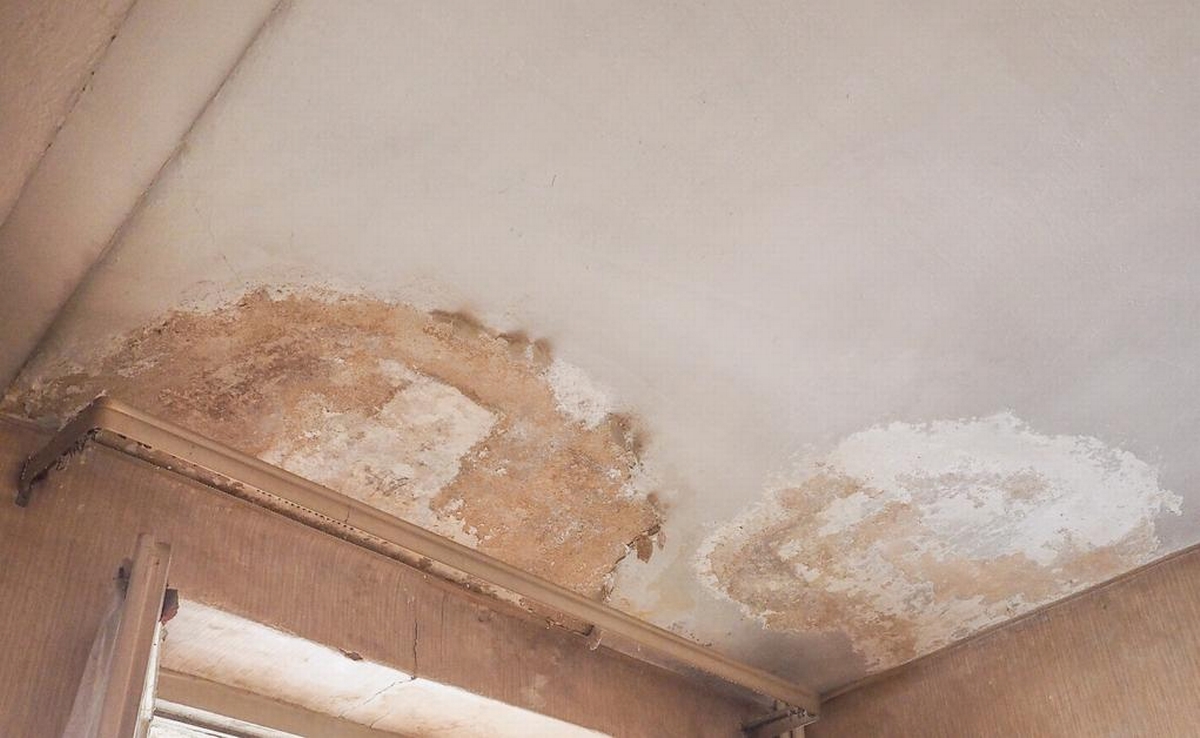
Water can be a destructive force, and when it infiltrates your home, it doesn’t take long for chaos to ensue. A leaking roof, burst pipe, or heavy rainfall can lead to ceiling damage from water, creating an extremely stressful situation for homeowners. Water damage can compromise the structural integrity of your home and cause unsightly stains that not only affect the aesthetic appeal of your house but can also spur the growth of mold. As a leading damage restoration company in Atlanta, Fast-Paced Restoration offers expert services to tackle these challenges efficiently and effectively.
Understanding the scope and process of repairs can make this daunting task more manageable. This blog will guide you through what to expect during the repair process for ceiling damage from water, highlighting key steps and considerations so you can be well-prepared and proactive.
Identifying the Signs of Ceiling Damage from Water
Before repairs can commence, it is vital to accurately identify and assess the extent of the damage. Early indicators of ceiling damage include discoloration, sagging, or bubbling on the surface of the ceiling. These are signs of water accumulation and should prompt an immediate investigation.
Another common sign of water damage is a musty odor, suggesting mold growth. Mold can thrive in moist environments and can pose health risks if left unaddressed. By understanding these signs, you can ensure timely intervention, preventing further deterioration and potentially costly repairs.
Essential Steps in the Repair Process
Inspection and Assessment
A professional inspection is the first step in managing ceiling damage. Restorative experts will conduct a thorough examination to understand the source of the leak, the extent of the damage, and the best course of action. This includes identifying any hidden spots where water might have seeped, such as in the attic or between wall cavities.
Water Removal and Drying
Once the damage has been assessed, the next focus is on removing any standing water and thoroughly drying the affected area. This step is crucial to halt further damage and to prepare the space for repairs. High-power fans and dehumidifiers are often employed to ensure complete dryness.
Ceiling Repair and Restoration
With the ceiling dried and moisture sources managed, the restoration phase begins. This could involve patching up drywall, repainting affected areas, or replacing entire sections where the damage is extensive. A skilled team will also address underlying issues such as leaks or compromised insulation to prevent recurrence.
The Steps to Repair Ceiling Water Damage:
- Perform a detailed inspection and assessment.
- Execute effective water removal and drying techniques.
- Proceed with repair and restoration, addressing both aesthetic and structural issues.
Challenges Faced During Water Damage Restoration
Ceiling repairs necessitate dealing with a host of potential complications. Structural integrity is a major concern, as water can weaken beams and plaster, posing safety risks. Attention to detail is essential to ensure no area of damage is overlooked, which would lead to further problems down the line.
Another challenge is dealing with mold removal and remediation in the Atlanta area. Mold can pose severe health risks to inhabitants, making it crucial to efficiently address it as part of the water damage restoration process. There are times when mold might have spread behind walls, requiring professionals to remove affected sections to ensure comprehensive treatment.
Selecting the Right Repair Materials
Choosing the right materials for ceiling repair is essential for long-term results. Water-resistant gypsum board, anti-mold paint, and effective sealants can help provide a durable solution. Consulting with a restoration professional can ensure that the materials used are best suited to withstand the region's specific humidity and weather conditions, adding an extra layer of precaution against future water damage.
Preventative Measures to Reduce Future Risk
Preventing future water damage involves a proactive approach. Regular roof inspections, proper attic ventilation, and maintaining an effective drainage system are only a few measures homeowners can take. Furthermore, installing a leak detection system can serve as an early warning to mitigate damage promptly.
Moreover, keeping gutters and downspouts unobstructed can prevent water accumulation, which otherwise would find its way into the home. By investing time in routine maintenance, homeowners can safeguard against severe disruptions and costly repairs.
Moving Forward with Peace of Mind
Repairing ceiling damage from water is an opportunity not only to restore your home but also to make it more resilient against future incidents. Moving forward with an understanding of the process empowers homeowners, ensuring informed decisions and peace of mind.
If you're facing ceiling water damage restoration in Snellville or any of the surrounding areas, Fast-Paced Restoration is here to help with expert water damage restoration services. Our team offers comprehensive evaluation and repairs, ensuring your home's safety and comfort are promptly restored. Contact us today to turn restoration challenges into seamless solutions that keep your living space strong, safe, and stunning.